Work / Portfolio and site structure
Simplifying a global product portfolio
Some forty offers brought into six product families, the structure the whole business now sells from.
OutcomeSome forty offers, with overlaps and repeats, brought into six product families, value-added services and a sector layer, each product in one place. Part of a website redesign that earned the project team a Group CEO Award, and still in use four years on.
Context
By 2021, the company’s website listed 31 product categories, and the same products turned up in several of them. Each product had arrived with the name its team chose and settled wherever it made sense on the day it launched, and over the years the offer had spread across transport modes, types of service and industries. Names carried their own history; each sector page presented the range again from its own angle. Finding the right product meant knowing the business already.
The insight
The company was rebuilding its global website, and the new site needed an information architecture: one order for everything the business sells, readable by a buyer who searches in the industry’s own terms. That same structure could give the portfolio its shape, with one home for every product.
What I did
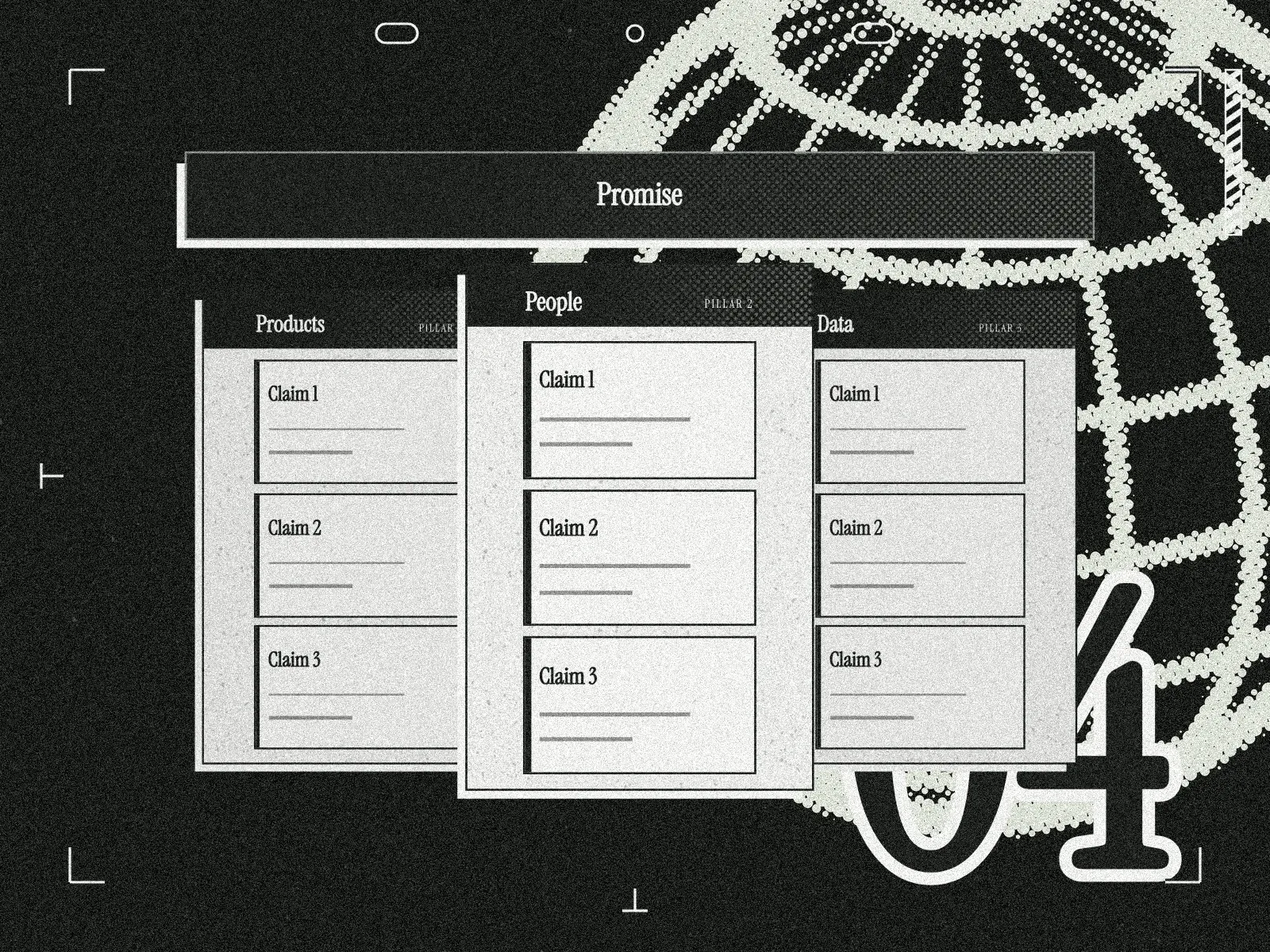
I designed the information architecture with the agency building the new site, and it follows the business. The core services come first: air, ocean, rail and customs. Road freight and logistics solutions complete the range. Together they form six product families. Each carries the sub-products its market asks for and is built to one pattern, so a family can grow and still read like the others. Sustainability, cargo insurance and security sit together as value-added services, since each one is added to a product.
The architecture then became the foundation for the portfolio itself. I shaped each family with the people who knew that mode best (its management and product marketing), and balanced what they wanted to offer with a structure that would hold the full range. One principle ran through all of it: each product in one place, named for what it does. Air freight came down to fewer products, and ocean products took the terms the market already uses: FCL and LCL. Names with an established meaning, like the temperature-controlled services, moved one level down, as options inside the product a buyer looks for first.
Every change was agreed with its owners, from product marketing through the product heads to commercial leadership. Because product marketing and product operations signed off every page of the new website, the structure was approved one page at a time. I also supported the writing of much of the product copy across the site and the portfolio, and built a one-pager for each family, setting out its products and sub-products for the sales teams.
The outcome
- 31categories in the initial product portfolio
- 6families in the new portfolio
- 100+country websites built on the structure
The new website rolled out in more than 100 countries and received a Group CEO Award. The portfolio structure has held since 2022, across the website, the company presentation and the sales material; new products and local solutions still find their place in one of its families. An agency built an ebook on the structure I had designed, and I wrote the content for every sub-product. Translated into several languages, it remains one of the most downloaded pieces on the sales team’s content platform.
Skills and tools
- Structure
- Information architecture
- Portfolio structure
- Product naming
- Content
- Product copywriting
- Ebook content
- Product one-pagers for sales
- Alignment
- Product, marketing and commercial leadership
- Design agency collaboration